


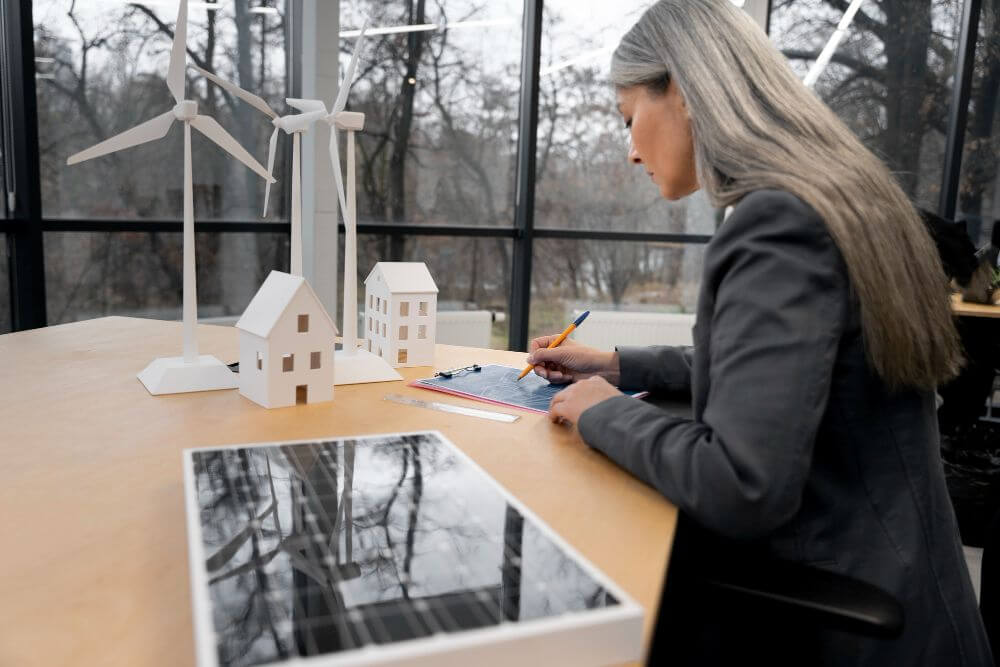
Energy prices continue to challenge UK businesses, with many owners facing higher operating costs and tighter margins.
Whether you run a small shop, manage a growing company or lead a larger organisation, you need a clear approach to control spending without harming productivity.
Understanding where your business uses energy and how you can make practical changes can help you improve efficiency and create a more resilient operation.
Conduct an energy audit
An energy audit gives you a detailed picture of how your business consumes power and where you can make improvements.
Start by reviewing your energy bills from the past 12 months and comparing usage across different seasons. This process helps you identify unusual increases, inefficient equipment and periods when your premises use more energy than necessary.
You can then inspect your workplace to find specific sources of waste. Check heating systems, lighting, machinery and office equipment to see whether they operate efficiently.
Record your findings and create a priority list based on the changes that will deliver the greatest savings.
Invest in energy-efficient technology
Technology can help you lower energy costs while improving the performance of your business. Replace outdated equipment with modern alternatives that use less electricity, such as LED lighting, efficient heating systems and smart energy controls.
These upgrades often require upfront spending, but they can reduce monthly costs and protect your business from future price increases.
You should also explore renewable energy options that match your company’s needs. Solar panels, for example, can reduce your reliance on the grid and provide more predictable energy costs over time.
Before investing, calculate the expected savings, installation costs and payback period so you understand the financial impact.
Build energy costs into long-term business planning
Energy costs should form part of your wider financial strategy rather than remain an unpredictable expense.
Review your budgets regularly and include realistic energy forecasts when you plan growth, new locations or major purchases. This approach helps you avoid unexpected pressure on cash flow.
You can also negotiate energy contracts carefully by comparing suppliers and considering how different pricing options affect your business. A forward-looking approach allows you to make decisions based on expected costs instead of reacting when prices rise suddenly.
Encourage energy awareness
Your employees play an important role in reducing energy consumption because everyday actions influence your overall usage.
Create simple guidelines that explain how staff can save energy, such as switching off unused equipment and reporting problems with heating or lighting.
Build energy awareness into your workplace culture by sharing progress and showing employees how their actions contribute to savings.
When your team understands the financial and environmental benefits, they become more likely to support efficiency measures and help your business manage rising energy costs.
