


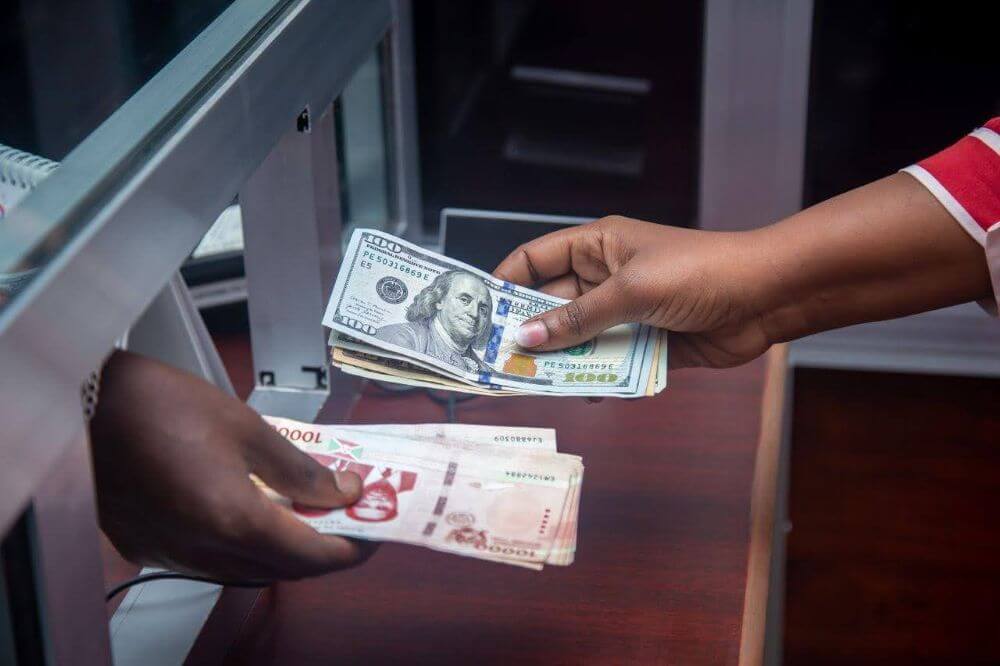
Millions of Mexican households depend on money sent from abroad. Not as a bonus or a financial cushion, but as the main source of income that keeps the lights on and the fridge stocked.
That’s the reality for a large portion of families across Mexico today, and understanding what those transfers actually cover tells you a lot about why they matter so deeply.
When Local Wages Simply Do Not Reach Far Enough
Local jobs in many parts of Mexico pay wages that don’t stretch far enough to cover basic expenses. Groceries, electricity, gas, water, these are not luxuries. They’re the floor of daily life, and for families in rural or economically underserved areas, remittances are what keep that floor intact.
The math is pretty straightforward. When a household earns less than it needs to survive, external income fills the gap. Money arriving from abroad does not sit in savings accounts. It goes directly toward food and utilities, sometimes within hours of arrival.
Platforms like Western Union have made it easier for senders to send money from the USA to Mexico quickly and with transparent fees, which matters when a family is waiting on funds to pay a bill before the cutoff date. The speed of transfer has become just as important as the amount being sent.
Medical Costs and School Fees That Cannot Wait
Healthcare in Mexico is uneven. In areas with limited public services, families face out-of-pocket costs for doctor visits, medication, and emergencies. Without a reliable income stream, a single hospitalization can push a household into serious debt.
School fees, uniforms, and supplies are another pressure point. Education is technically accessible, but the surrounding costs are not always covered by local income alone. Remittances allow families to pay these expenses without borrowing money at unfavorable rates, which protects them from long-term financial damage.
Protecting Credit and Keeping Loan Payments on Track
Some households carry existing debt, often from small loans taken out to cover past emergencies or to invest in a small business. Missing a payment damages credit, makes future borrowing harder, and increases the total cost of the debt over time.
Regular transfers from abroad act as a predictable income source that helps families honor those commitments. Consistency matters here. A payment that arrives reliably each month gives a household far more stability than an occasional large sum ever could.
A Lifeline for Women Running Households Alone
A significant share of remittance-receiving households in Mexico are headed by women whose partners, siblings, or adult children have migrated for work. These women manage budgets, raise children, and make financial decisions largely on their own.
For them, cross-border transfers provide something beyond money. They provide a degree of autonomy. Having a steady inflow of funds means fewer situations where a woman must rely on local credit at steep interest rates or ask family members for help under unfavorable terms.
Financial independence, even partial independence, changes how a household functions from day to day.
Getting Out From Under High-Cost Local Lending
Informal lending is common in communities with limited banking access. The interest rates attached to those loans can be punishing, and families sometimes borrow just to cover recurring expenses that a modest income can’t handle.
Remittances offer an alternative. When money arrives regularly from abroad, families can cover their needs without turning to expensive credit. Over time, that shift reduces the total amount spent on interest and frees up more of the household’s money for actual needs rather than debt service.
