


Dreaming of starting your own clothing brand but not of living in a box-filled garage?
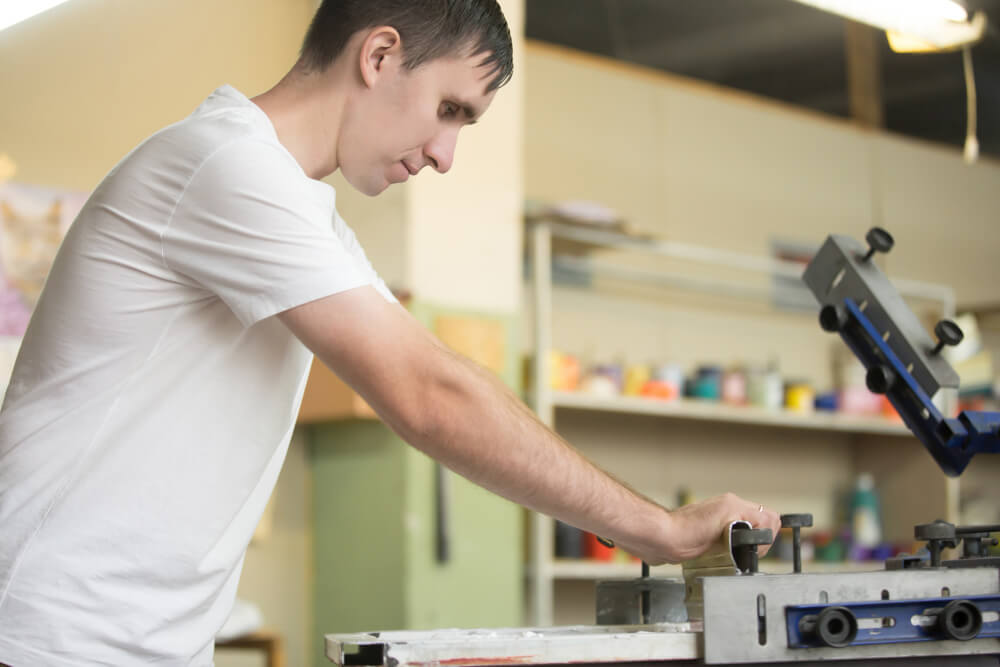
That’s how print-on-demand works. You upload an artwork, then a fulfillment partner prints it when someone orders, and ships it directly to them. No minimum quantities. No warehouses. No inventory sitting unsold.
Perfect timing too. The print-on-demand market reached $12.96 billion in 2025 and it shows no signs of slowing down.
So how do you actually launch one? Let’s break it down…
Here’s what’s coming up:
- Why Print-on-Demand Beats Holding Stock
- Picking The Right Products (Start With Hoodies)
- Setting Up Your Brand Step-By-Step
- Mistakes That Sink New Stores
Why Print-on-Demand Beats Holding Stock
The old way of starting a clothing brand was risky.
You’d speculate on what customers would want, preorder hundreds of pieces, then hope they sold. If you guessed wrong? Dead stock and broke you.
Print-on-demand flips that on its head.
Here’s why it works so well:
- Zero upfront inventory — you only pay after a customer pays you
- No storage costs — your “warehouse” is your supplier’s warehouse
Simple to test: ship multiple designs, retain the winners, eliminate losers
Okay, but what products should you sell? That’s where most newcomers fail. You want to start with one premium, proven item…and what better item to start with than a hoodie? Everyone loves hoodies, they wear them all year round, and are willing to spend big money on a good one.
The important word there is “right.” Even the coolest logo looks trashy on a thin, itchy hoodie. Quality is just as important as the print itself. That’s why french terry hoodies make so much sense as a base — french terry is your lightweight to medium-heavyweight knit that has cushy loops on the interior to give you that high-quality feel without being bulky. For that extra high-end feel, go with high GSM hoodies. GSM stands for grams per square meter, which basically means the thicker your hoodie fabric is, the higher the GSM is.
That perceived quality is what lets you charge more and build repeat buyers.
It’s not just good for your budget. It’s good for the environment as well. The fashion industry creates approximately 92 million tonnes of textile waste per year. A large proportion of this comes from ‘dead stock’ which is unsold and often discarded or burned. With print-on-demand you only ever print what’s been ordered, so you aren’t contributing to that waste.
Pretty cool, right?
Picking The Right Products (Start With Hoodies)
Now to the fun part… building out your range.
Print on demand products for apparel account for the largest market share by a wide margin. Apparel made up 39.5% of total revenue for the print on demand market in 2025. Custom clothing and wearable products are some of the most popular products with repeat buyers.
Once you’ve perfected your hero hoodie, you can scale. But first, ensure your blank meets these requirements.
For hoodies specifically, look for these things:
- A heavyweight, cozy feel that customers notice the second they touch it
- Soft fabric on the inside (this is where comfort lives)
- A fit and stitching that holds up after lots of washes
Begin with one or two hero products and perfect them. T-shirts, caps and other garments can be added to your catalog later when you know your customer will LOVE the quality.
Setting Up Your Brand Step-By-Step
Okay, you’ve got your product idea. Now let’s actually build the business.
Here’s the simple version so it’s easy to follow along…
Step 1: Pick A Niche
Don’t attempt to sell to everyone. “Hoodies for dog lovers” or “hoodies for indie gamers” will always crush a generic brand store.
Why? Because when your niche is tight your marketing is easier and your designs become obvious. You know who your target audience is.
Step 2: Choose Your Print Partner
Your print-on-demand provider prints, packages and ships for you. Consider these three aspects before you decide:
- Product quality — order samples and feel them yourself
- Print quality — check how their designs hold up after washing
- Shipping times — slow delivery means unhappy customers
Never ever skip the sample step. Know what your customer is getting.
Step 3: Create Your Designs
You don’t have to be Picasso. Lots of brands succeed using just text heavy designs, a crisp logo or even one singular graphic. Keep it simple, keep it on-brand, and tailor it to your niche.
Step 4: Build Your Store
Link your designs to your online store. Many services connect directly to your print partner. When you receive an order it’s automatically sent to the printer for you. Minimal effort required.
Step 5: Start Marketing
This is where the hustle begins. No traffic equals zero sales in your store. Drive traffic with short-form video, your niche communities, and a little paid traffic.
That’s the whole machine in five steps.
Mistakes That Sink New Stores
Print-on-demand is beginner-friendly, but it’s not foolproof.
Nothing about building a brand has gotten easier. Only ~25% of POD startups have long-term success. The ones that fail typically do the same few things wrong.
Avoid these traps:
- Cheap blanks — a low-quality garment ruins everything else you do
- No niche — trying to please everyone pleases no one
- Skipping samples — never sell something you’ve never touched
- Giving up too fast — your first designs probably won’t be your winners
Notice that most of these come back to one idea: quality and patience.
Perfect the product. Speak to your targeted audience. Keep refining. Test, test, test until something sticks. That’s the survivors’ approach.
Bringing It All Together
So there you have it.
Starting a print-on-demand apparel business without inventory is REALLY one of the lowest risk ways to start a legitimate business these days. You aren’t betting on inventory. You don’t need to lease a warehouse. You don’t pay fees until you’ve SOLD something.
To quickly recap what you need to do:
- Pick a tight niche you understand
- Choose quality blanks (heavyweight French terry hoodies are a great start)
- Find a reliable print partner and order samples
- Build a simple store that auto-sends orders
- Market hard and keep testing your designs
The market’s expanding, the entry barrier is low, and your only limitation is how much effort you’re willing to put in and how creative you can be.
Choose your niche, order your sample and launch your first design. Yesterday would have been great to start, but the next best time is now.
