


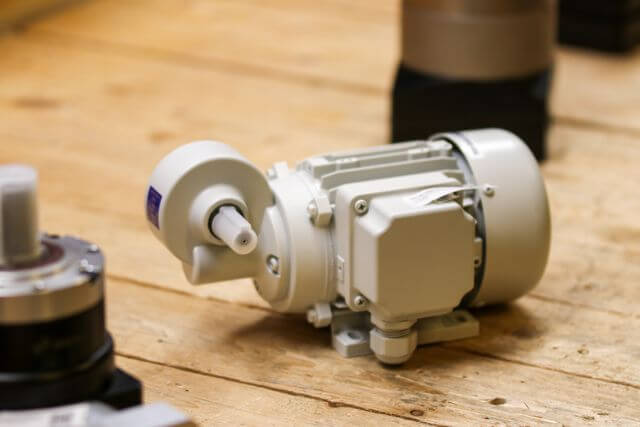
Hydraulic motors handle demanding industrial tasks every day, from powering heavy machinery to supporting precise mechanical movement. Continuous pressure, heat, and contamination gradually wear down internal components, making performance issues unavoidable over time. A failing motor can reduce efficiency, increase downtime, and create safety concerns across an entire hydraulic system.
Many equipment operators rely on durable hydraulic products to maintain dependable system performance and extend machinery lifespan. Still, deciding whether to repair or replace a hydraulic motor requires careful attention to operating conditions, repair costs, and long-term reliability. A well-timed decision prevents repeated breakdowns and helps maintain stable productivity.
Signs That a Hydraulic Motor Needs Attention
Hydraulic motors usually show noticeable warning signs before complete failure occurs. Identifying those symptoms early can prevent severe internal damage and reduce repair expenses.
Common Performance Problems
- Unusual grinding or knocking sounds during operation
- Reduced torque or inconsistent speed output
- External fluid leakage around seals or fittings
- Excessive heat buildup during routine use
- Sudden pressure drops within the hydraulic system
Persistent overheating sometimes points to worn bearings, contaminated fluid, or damaged internal parts. Leakage around shaft seals may also indicate excessive internal wear that affects overall efficiency. Ignoring these issues can place additional strain on connected components and increase system instability.
When Repairs Make Sense
Repairs are usually practical when damage remains limited to replaceable components. Worn seals, damaged bearings, and minor contamination problems can sometimes be corrected without replacing the entire motor. A qualified inspection helps determine whether the internal housing and rotating assembly remain structurally sound.
Repairing a hydraulic motor also works well when the equipment operates under moderate loads and has received consistent maintenance. In many cases, restoring damaged components improves performance while avoiding unnecessary replacement costs. Timely service can also help preserve surrounding hydraulic parts from additional wear.
Situations That Require Full Replacement
Some hydraulic motor failures become too severe for cost-effective repair. Extensive internal scoring, cracked housings, or repeated contamination damage sometimes indicate the need for complete replacement. Motors that experience chronic overheating may also develop hidden structural problems that continue affecting performance after repair attempts.
Indicators That Replacement Is the Better Option
- Severe internal metal damage
- Repeated breakdowns within a short period
- High repair costs approaching replacement value
- Reduced efficiency after previous repairs
- Outdated motor design with poor compatibility
Older motors sometimes struggle to meet modern operational demands, especially in high-pressure applications. Replacing aging units with updated components can improve energy efficiency and provide smoother performance under demanding workloads.
Another important factor involves operational downtime. Frequent repairs may interrupt production schedules and increase labor expenses over time. A replacement motor sometimes delivers more dependable long-term operation with fewer maintenance interruptions. Reliable hydraulic products also support stable pressure control and consistent machine performance in heavy-duty environments.
The Importance of Professional Evaluation
A thorough inspection provides valuable insight into the actual condition of a hydraulic motor. Skilled technicians examine fluid contamination levels, internal wear patterns, pressure performance, and shaft alignment before recommending repair or replacement. Accurate diagnostics reduce unnecessary spending and support safer equipment operation.
Maintenance history also plays a major role in the final decision. Motors with regular fluid changes and proper filtration typically respond better to repairs. Equipment exposed to contaminated oil or neglected servicing sometimes develops widespread internal deterioration that makes replacement the more practical solution.
Choosing between repair and replacement depends on balancing performance, reliability, operating costs, and future equipment demands. Careful evaluation helps maintain efficient hydraulic operation while reducing unexpected downtime and costly system failures.
