


Dental implants are designed to support a crown, bridge, or denture, but they still need routine monitoring. For people balancing work, family commitments, and busy commutes across St. Louis, Missouri, it can be easy to put off an appointment when something feels slightly different. However, recognizing possible signs of dental implant failure or related complications can make it easier to seek care before a small concern becomes more difficult to manage.
A change does not automatically mean that the implant has failed. The concern may involve the crown, the abutment that connects the crown to the implant, the surrounding gums, or the bone supporting the implant. Still, a new symptom deserves attention, particularly when it persists or worsens.
Why a Dental Implant May Need Attention
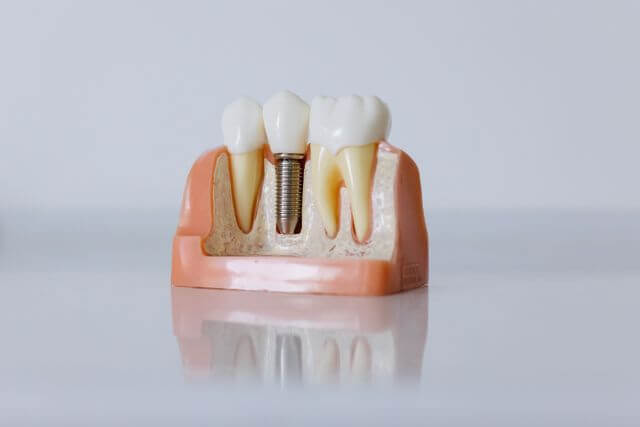
An implant restoration has several parts. The implant body is placed in the jawbone, while an abutment and restoration sit above the gumline. Because each component has a different role, a loose crown is not necessarily the same as a loose implant body. A dental examination is needed to distinguish between a repairable restoration issue and a concern involving the implant’s support.
Problems can arise soon after placement or years later. Healing concerns, inflammation, chewing pressure, wear of the restoration, and changes in general health can all affect long-term implant care. A federal overview of implant risks notes possible concerns such as pain, looseness, delayed healing, difficulty cleaning around the implant, infection, and bite problems.
Warning Signs That Should Not Be Ignored
Some symptoms are obvious, while others can be subtle. Schedule a dental evaluation if you notice any of the following changes around an implant:
- Bleeding when brushing or cleaning around the implant
- Red, tender, puffy, or swollen gum tissue
- A persistent bad taste, drainage, or unpleasant odor from one area
- New discomfort or pressure while chewing
- A crown, bridge, or implant-supported denture that feels loose
- A sensation that the implant or restoration moves, twists, or clicks
- Gum recession that makes the implant restoration appear longer
- Numbness, tingling, or unusual pressure in the jaw or face
Pain is not the only sign that matters. Gum inflammation can sometimes begin with bleeding, tenderness, or changes in the gumline. A person who notices blood in the sink after brushing should not assume it is normal simply because there is no significant discomfort.
Common Causes of Implant Problems
Inflammation Around the Implant
Peri-implant diseases are inflammatory conditions affecting the tissues around an implant. Peri-implant mucositis involves inflammation in the soft tissue around the implant without evidence of bone loss. Peri-implantitis involves inflammation along with deterioration of the bone supporting the implant. The American Academy of Periodontology identifies red or tender gums and bleeding during brushing as signs that can occur with peri-implant disease.
Plaque buildup, inconsistent cleaning, smoking, diabetes, and a history of periodontal disease can increase risk. That does not mean every person with one of these factors will have an implant problem. It does mean the implant should be monitored carefully, and the dental team should be informed of any relevant health changes.
Mechanical Stress and Restoration Problems
Not all concerns begin in the gums or bone. Daily chewing forces can affect the restoration and its connecting components. Clenching or grinding, a bite that places excess force on one area, a loose abutment screw, and damage to the crown or bridge can all create a sensation that something has changed.
For example, a crown may feel mobile even when the implant body remains stable in the jawbone. Conversely, an implant that truly moves needs prompt professional assessment. Repeatedly testing movement with a finger or tongue can apply more force to an already sensitive area.
Healing and Bone Support Concerns
Successful implant treatment depends on healing and stable bone support. Delayed healing, local infection, untreated gum disease, limited bone volume, smoking, and poorly controlled health conditions may complicate this process. These factors are especially important to discuss when symptoms appear during the months after placement or after a long period of stable use.
What to Do When Symptoms Appear
- Contact a dental professional promptly. Do not wait until severe pain before seeking an evaluation.
- Keep the area clean gently. Continue brushing carefully and follow any specific cleaning instructions already provided.
- Avoid testing the implant. Do not wiggle it or attempt to tighten anything yourself.
- Choose softer foods if chewing hurts. Reducing pressure may help until the area can be assessed.
- Share relevant health information. Mention medications, smoking, diabetes, grinding, and any past gum disease.
Seek urgent medical or dental care for facial swelling, fever, pus, severe or rapidly worsening pain, uncontrolled bleeding, difficulty swallowing, or trouble breathing.
How a Dental Evaluation Usually Works
A thorough evaluation helps identify which part of the implant system is affected. Depending on the concern, a dental professional may review your treatment history, inspect the gums and restoration, assess your bite, check the stability of the crown and implant, measure the gum tissue around the implant, and take X-rays or other imaging when appropriate.
This distinction matters. A loose screw, cracked crown, inflamed gum tissue, and loss of bone support are different problems with different treatment paths. An in-person examination provides information that cannot be confirmed by symptoms alone.
Possible Treatment Paths
Treatment depends on the cause, severity, condition of the surrounding bone and gums, and the stability of the implant. Possible approaches may include:
- Professional cleaning and more targeted home-care instructions
- Adjustment, repair, or replacement of a crown, bridge, or denture
- Care to address gum inflammation or infection
- Bite adjustment when excessive force is contributing to the concern
- A protective night guard for people who clench or grind their teeth
- Regenerative procedures in selected cases involving bone defects
- Removal of the implant and discussion of replacement options when it cannot be maintained
Daily Habits That Support Implant Health
Long-term implant care is not limited to the first months after surgery. Brush twice daily with a soft-bristled toothbrush, clean beneath and around the restoration as directed, and keep regular dental and periodontal appointments. Avoiding tobacco products and managing conditions that affect healing are also important parts of protecting oral health.
Whether you live in the city, commute from St. Charles County, or travel across the Metro East for work, add implant checkups to the same calendar system used for other recurring health appointments. Report bleeding, soreness, or a change in the bite rather than waiting for the next routine visit.
Questions to Ask at Your Appointment
- Is the issue affecting the implant, crown, abutment, or surrounding gums?
- Is there evidence of bone loss or inflammation?
- Could grinding or bite pressure be contributing?
- Can the issue be treated without removing the implant?
- What may happen if treatment is delayed?
- What cleaning routine should be followed at home?
Conclusion
A changed feeling around a dental implant is worth taking seriously, but it does not automatically mean the implant is lost. Bleeding, swelling, pain, looseness, and bite changes can have several causes. Timely evaluation can clarify the source of the issue and help guide the next step, whether that involves cleaning, repair, adjustment, monitoring, or more involved treatment.
