


Want to keep your business running when shipping chaos hits?
Every organization that transports goods needs a logistics network. Once they go down, orders fail, customers go elsewhere, and revenue evaporates quickly. No wonder freight brokerage services are becoming such a critical component to modern supply chain strategy.
Here’s the problem:
Supply chain disruptions are getting worse. And most businesses aren’t prepared for them.
Without reliable transportation, business continuity is impossible.
Here are some of the primary reasons why reliable transportation networks are important as well as how freight brokerage protects companies from expensive downtime.
Let’s jump in!
Here’s what’s coming up:
- Why Transportation Networks Matter So Much
- The Real Cost Of Supply Chain Disruptions
- How Freight Brokerage Services Support Business Continuity
- What To Look For In A Reliable Transportation Partner
Why Transportation Networks Matter So Much
Transportation is the backbone of every business that ships physical products.
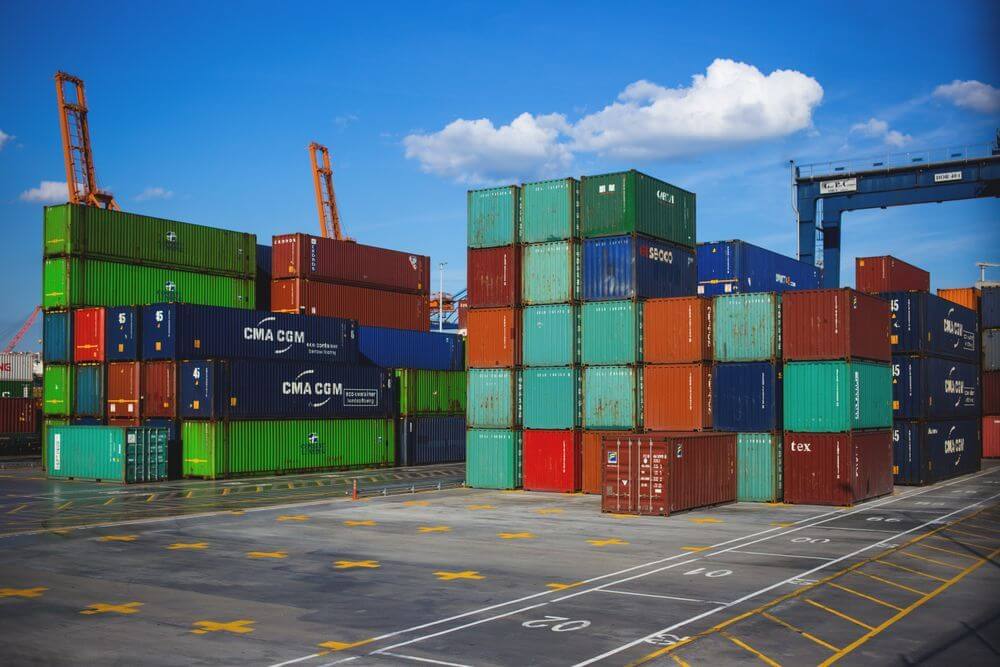
Take a second to realize this: Everything on every store shelf did not magically appear there. Someone trucked it, boated it, trained it, or flew it there. Containers and transportation form an enormous web that helps commerce flow. If one breaks down, the entire system feels the ripple.
For instance, inadequate raw material deliveries cause production shutdowns in the warehouse. Stock outs of finished goods cause empty shelves for retailers. Empty shelves cause customers to go directly to a competitor.
And they don’t always come back.
That’s why leading companies are spending more money on freight brokerage than ever before. A quality broker partner can match shippers with ideal carriers when they need them most. Companies that require intermodal and 3pl services have access to national truck, rail, and warehousing networks they don’t have to build from scratch. It’s a huge time and money saver.
Here’s the kicker…
The US freight brokerage market size is estimated to increase from approximately USD 19.68 billion in 2025 to more than USD 30 billion by 2031. This growth indicates the increasing number of companies relying on freight brokers to address their transportation needs.
The Real Cost Of Supply Chain Disruptions
Ready for some scary numbers?
Supply chain disruptions cost businesses about $184 billion annually. Yes, that’s billion with a “B.” And it’s likely to get worse before it gets better.
Even more concerning, according to a recent survey, 76% of shippers reported disruptions that caused delays last year. A few shippers experienced more than 20 disruptions throughout the year.
What causes all these disruptions?
- Port congestion and container shortages
- Extreme weather events
- Trucking capacity shortages
- Cybersecurity attacks on logistics systems
- Fuel price volatility
One of these can stop your operation cold. If multiple occur at the same time (which is becoming increasingly common), companies that haven’t invested in a robust transportation plan get steamrolled.
But here’s the good news…
Organisations with supply chain continuity partners recover quicker. They have alternative carriers, routes, and negotiated capacity already lined up. Instead of reacting over days or weeks when crisis strikes, they can change directions in hours. This is supply chain continuity in action.
How Freight Brokerage Services Support Business Continuity
So how do freight brokerage services actually keep businesses running? Let’s break it down.
Access To A Huge Carrier Network
Most companies only deal with the few carriers they’ve developed relationships with over the years. Freight brokers deal with thousands.
So if your regular carrier is full or experiencing an equipment failure, the broker can locate an alternative quickly. This type of agility can’t be developed internally for millions of dollars.
Flexible Capacity On Demand
Shipping volumes fluctuate. Capacity is scarce during peak season which drives rates significantly higher.
Freight brokers help smooth out those peaks by:
- Pre-negotiating capacity in advance
- Spot-buying capacity at competitive rates
- Combining shipments to save costs
- Routing freight across different modes of transport
This elasticity is tremendous from a business continuity standpoint. You can scale shipping capacity up or down to meet demand, without having shipments sit on a loading dock.
Multiple Modes Of Transportation
Trucks aren’t the only option. Rail, ocean, and air all have their place.
The top freight brokers utilize all these methods to create the most dependable route possible. Should an interstate be closed due to a hurricane they can divert freight to the railroad. Should a port close they can redirect through a different one.
Multi-modal is the key to real resilience.
Real-Time Tracking And Communication
You can’t fix what you can’t see.
Today’s freight brokers offer real time tracking/status updates. If a shipment is delayed, everyone is informed instantly and can pivot accordingly. This transparency eliminates the snowball effect.
Cost Control During Disruptions
When there are disruptions, freight rates can double or triple overnight. If you aren’t under contract with a broker, you may be paying 3x what you need to just to get your product shipped.
Freight brokers leverage long-term contracts and carrier partnerships to help alleviate those spikes. Doing so helps protect margins during the lean times when every dollar is crucial.
What To Look For In A Reliable Transportation Partner
Freight brokers can be hit or miss. Some are great but others create more headaches.
Here are the key things to look for when picking a partner:
- Financial stability: With more broker closings in the last couple of years than prior years, make sure you choose financially sound companies.
- Carrier network size: More carriers means more flexibility when things go wrong.
- Technology stack: Real-time tracking and modern transportation management systems are must-haves.
- Multi-modal capabilities: Rail, road and warehousing capabilities offer you additional options for moving freight.
- Industry experience: Experience is important in this field. The longer a broker has been operating, the less likely they are to fail.
- Customer service: Fast response times when things go wrong can save the day.
Don’t rush into choosing a partner. A good partner will serve you well for many years. A bad partner can cost you clients and revenue for one bad quarter.
Pretty simple, right?
The Bottom Line
Resilient transportation networks are no longer a luxury. They have become a business continuity requirement given increasing frequency and cost of disruptions worldwide.
To quickly recap:
- Transportation is the backbone of every product-based business
- Supply chain disruptions cost businesses $184 billion each year
- Freight brokerage services provide flexibility, capacity, and resilience
- Multi-modal transport is the key to weathering big disruptions
- Choosing the right partner matters more than ever
Partner with logistics today that will weather any storm tomorrow. The companies who will succeed in the next decade are those who view transportation as a strategic investment, not as an expense to be fixed when it breaks.
The reality is that we aren’t out of the woods with supply chain issues. However, the right freight brokerage services can ensure they don’t cripple your business.
